
Introduction
Hernia surgery helps repair a weak spot in the muscle or tissue. After surgery, recovery is important for healing and getting back to daily life. Many people wonder about the best ways to recover. In fact, gentle stretching and exercise can play a big role in hernia surgery recovery. However, it is important to follow safe steps and listen to your body.
Benefits of Stretching and Exercise After Hernia Surgery
After hernia surgery, your body needs time to heal. But, with your doctor’s approval, gentle movement can help. Here are some key benefits:
According to the CDC, safe movement after surgery can lower the risk of complications. Still, always check with your doctor before starting any new activity.
Safe Stretching Techniques
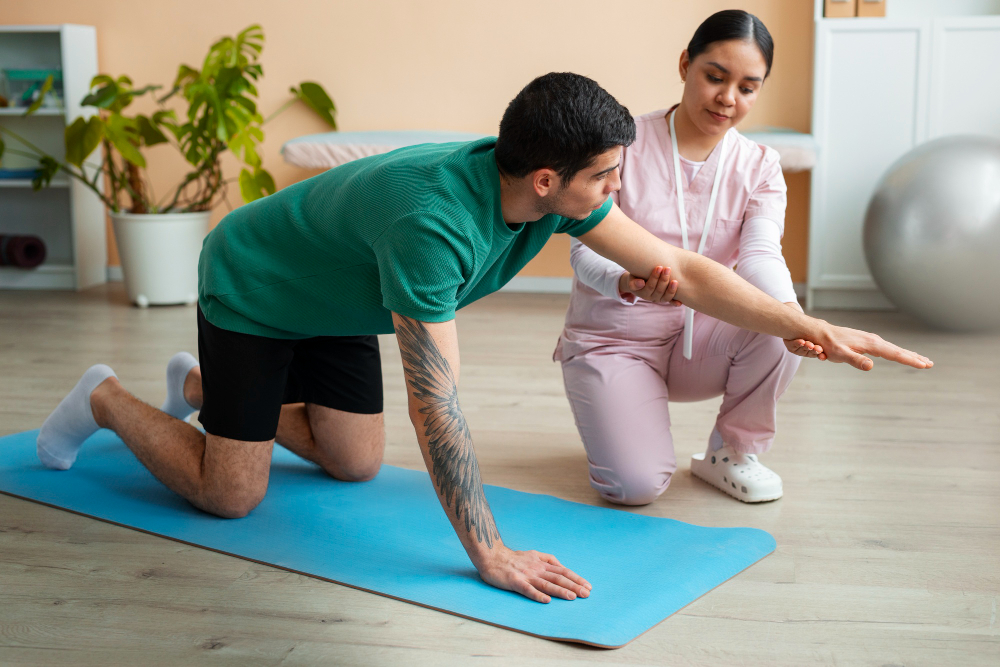
After hernia surgery, gentle stretches can help you feel better. But, you must avoid any move that causes pain or strain. Here are some safe stretches to try:
Remember, start slow. If you feel any pain, stop right away. For more guidance, ask your doctor or a physical therapist about safe stretches after hernia operation.
Recommended Exercises
Once your doctor says it is safe, you can add light exercises to your routine. These moves support your recovery and help you regain strength. Here are some recommended hernia surgery recovery exercises:
Always use slow, controlled movements. If you feel discomfort, stop and rest. For best results, follow your doctor’s advice or ask about post-hernia surgery physical therapy.
Precautions and When to Avoid Exercise
Even though exercise helps recovery, there are times when you should pause. Watch for these warning signs:
If you notice any of these, stop exercising and contact your doctor right away. In addition, avoid lifting heavy objects or doing intense workouts until your doctor approves. Always listen to your body and take breaks as needed.
Tips for a Successful Recovery
Recovering from hernia surgery takes time and patience. Here are some tips to help you heal well:
Most importantly, keep all follow-up appointments with your healthcare provider. This helps track your progress and catch any problems early.
Frequently Asked Questions (FAQs)
Conclusion
In summary, gentle stretching and exercise can help you recover after hernia surgery. However, always follow your doctor’s advice and start slow. If you have any concerns or feel pain, stop and seek help. Consult a specialist at Gupta Hospital for personalized guidance on your hernia surgery recovery.