
What Is a Fistulotomy?
A fistulotomy is a surgery to treat an anal fistula. An anal fistula is a small tunnel that forms between the end of the bowel and the skin near the anus. This tunnel can cause pain, swelling, and sometimes infection. Doctors often suggest a fistulotomy when other treatments do not work. The main goal is to open the tunnel and help it heal from the inside out.
Symptoms and Causes Leading to a Fistulotomy
Many people notice symptoms before needing a fistulotomy. For example, you may feel pain or swelling near the anus. Sometimes, you might see pus or blood draining from the area. In some cases, you may also have a fever. These signs often point to an infection or an abscess.
Usually, anal fistulas form after an abscess does not heal well. Other causes include Crohn’s disease, infections, or injury to the area. However, not all fistulas have a clear cause.
Diagnosis Process for Anal Fistulas
Doctors use several steps to diagnose an anal fistula. First, they ask about your symptoms and medical history. Next, they do a physical exam. Sometimes, they may gently press the area to check for pain or drainage. In some cases, your doctor may use special tools or tests, such as:
These tests help your doctor plan the best treatment, including if a fistulotomy is needed.
Fistulotomy Procedure: Step-by-Step Explanation
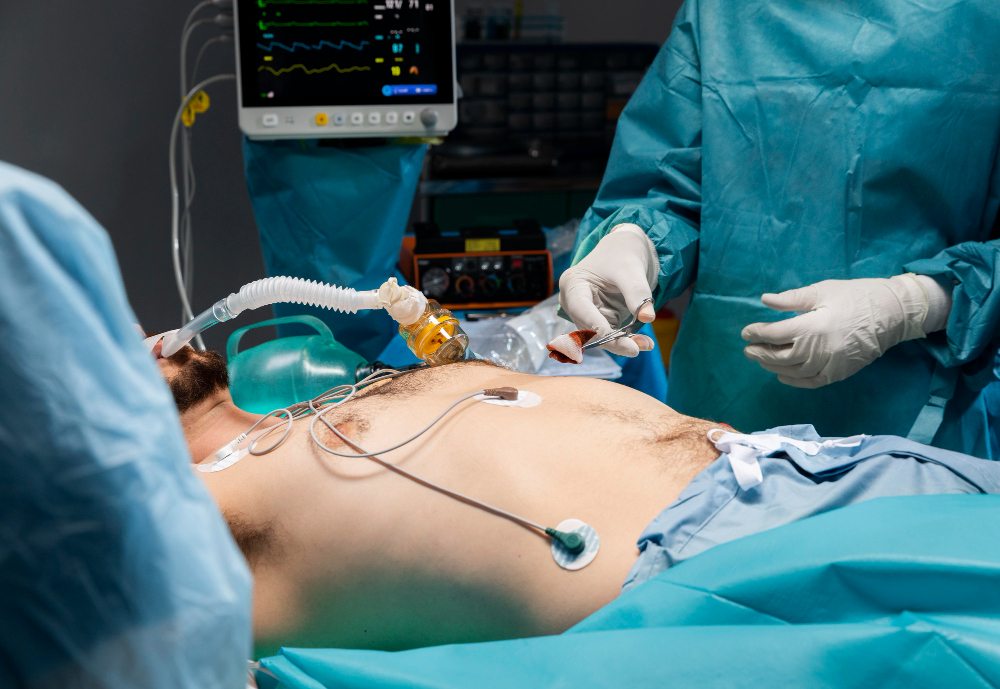
Before the surgery, your doctor will explain what to expect during a fistulotomy. Usually, the procedure happens in a hospital or surgery center. You may get local or general anesthesia, so you do not feel pain.
Most fistulotomies take less than an hour. After the surgery, you will rest until you are ready to go home.
Recovery Timeline and Aftercare Tips
After a fistulotomy, recovery is important. Most people can go home the same day. However, full healing may take a few weeks. Here is what to expect after fistulotomy:
To help with fistulotomy recovery, follow these tips:
Most people return to normal activities within one to two weeks. Still, heavy lifting or hard exercise should wait until your doctor says it is safe.
Potential Risks and Complications
Like any surgery, fistulotomy has some risks. Most people recover well, but problems can happen. For example, you may have:
If you notice fever, heavy bleeding, or trouble controlling your bowels, call your doctor right away.
Prevention and Lifestyle Guidance
While not all anal fistulas can be prevented, you can lower your risk. For instance, treat infections early and keep the anal area clean. If you have a condition like Crohn’s disease, follow your doctor’s advice closely. Eating a healthy diet and drinking enough water can also help. In addition, avoid straining during bowel movements.
Conclusion
In summary, a fistulotomy is a safe and effective way to treat anal fistulas. Knowing what to expect after the procedure can help speed up your recovery. If you have symptoms or need more advice, consult a specialist at Gupta Hospital for personalised guidance on fistulotomy and recovery.