
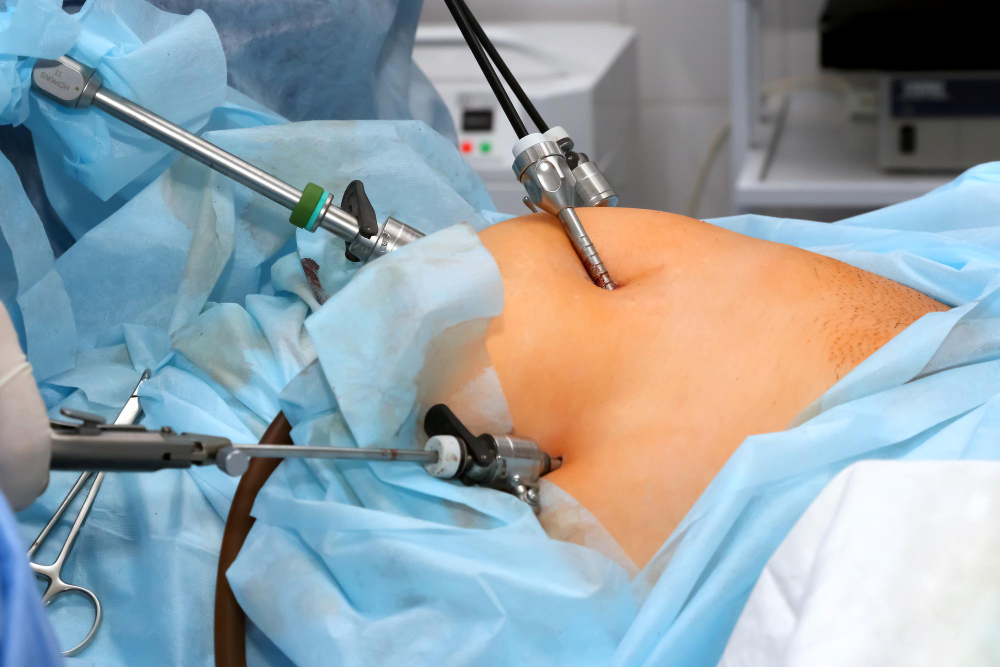
Laparoscopic hernia repair is a modern, minimally invasive hernia surgery. It uses small cuts and a camera to fix hernias. Many people choose this method because it often leads to faster hernia repair recovery and less pain. In fact, laparoscopic surgery benefits include smaller scars and a quicker return to daily life. If you or a loved one has a hernia, learning about this procedure can help you make informed choices.
What is Laparoscopic Hernia Repair?
Laparoscopic hernia repair is a type of surgery. Doctors use a thin tube with a camera, called a laparoscope, to see inside the body. They make a few small cuts instead of one large cut. Through these cuts, they fix the weak spot in the muscle where the hernia formed. Often, they use a special mesh to strengthen the area. Because the cuts are small, healing is usually faster. This method is also called minimally invasive hernia surgery.
Common Symptoms and Causes of Hernias
Hernias happen when an organ or tissue pushes through a weak spot in the muscle. Most hernias occur in the belly or groin. You may notice a bulge or swelling. Sometimes, you may feel pain, especially when lifting or coughing. However, some hernias do not cause pain at first.
Hernias can happen for many reasons. For example, heavy lifting, chronic coughing, or being overweight can increase your risk. Sometimes, people are born with weak muscles that make hernias more likely.
How is Laparoscopic Hernia Repair Performed?
First, the doctor gives you anesthesia, so you sleep during the surgery. Next, they make three to four small cuts in your belly. Through one cut, they insert a tiny camera. Through the others, they use special tools to fix the hernia. The doctor gently pushes the bulging tissue back into place. Then, they place a mesh over the weak spot to make it stronger. Finally, they close the cuts with stitches or glue. Most people go home the same day.
Benefits of Laparoscopic Hernia Repair
Laparoscopic hernia repair offers many advantages over open surgery. For instance, it usually causes less pain after surgery. Also, the scars are much smaller. Because the cuts are tiny, you may heal faster and return to normal activities sooner.
According to the CDC, minimally invasive surgery often leads to better outcomes for many patients. However, not everyone is a candidate. Your doctor will help you decide the best option.
Recovery and Aftercare Tips
After laparoscopic hernia repair, most people recover quickly. Even so, you should follow your doctor’s advice for the best results. Here are some helpful tips:
Most people can return to light work within a week. However, always check with your doctor before resuming exercise or heavy tasks. If you live in a city with advanced hospitals, you may have access to special aftercare programs.
Prevention and Lifestyle Guidance
While not all hernias can be prevented, you can lower your risk. For example, keeping a healthy weight helps reduce strain on your muscles. Also, using proper lifting techniques protects your belly and groin.
Making these changes can help you stay healthy and lower your chance of another hernia.
Risks and When to Consult a Surgeon
Although laparoscopic hernia repair is safe, all surgeries have some risks. For instance, you might have bleeding, infection, or pain. Rarely, the hernia can come back. If you notice severe pain, swelling, or fever, call your doctor right away.
If you have any of these symptoms, seek medical help. Early care can prevent serious problems. Always talk to a surgeon if you have questions about your hernia or surgery options.
In summary, laparoscopic hernia repair is a safe and effective way to treat hernias. For personalized advice, consult a specialist at Gupta Hospital to know about your options for laparoscopic hernia repair.