
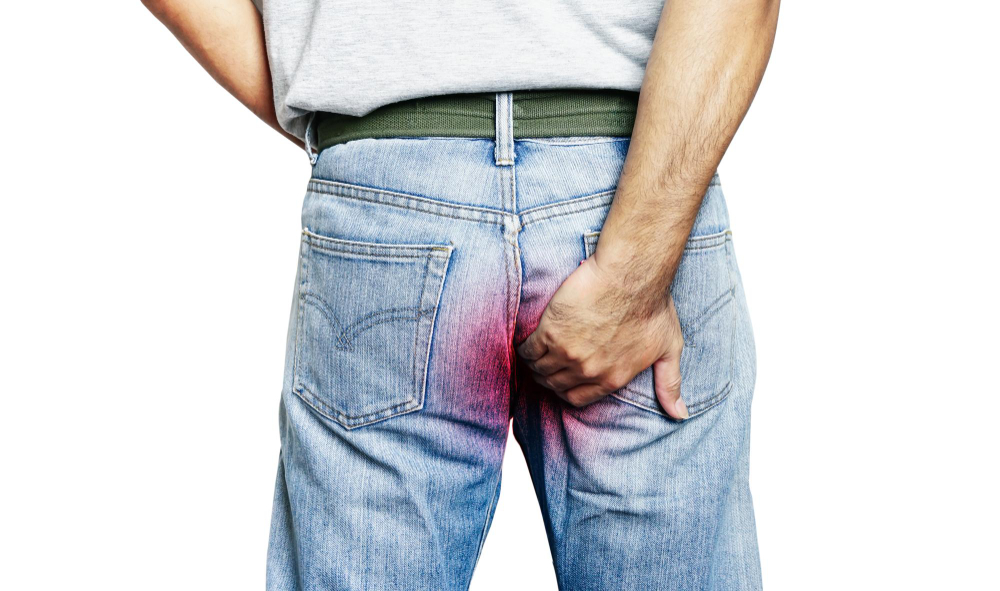
What Are Fissures?
Fissures are small tears or cracks in the lining of the anus. These tears can cause pain and discomfort, especially during bowel movements. Anal fissures are common and can affect people of all ages. However, they are most often seen in young adults and middle-aged people. Because fissures can be painful, it is important to understand their symptoms, causes, and treatment options.
Common Symptoms of Fissures
Many people notice symptoms soon after a fissure develops. For example, you may feel a sharp pain during or after passing stool. Other signs can include:
Sometimes, the pain can last for several hours. If you notice these anal fissure symptoms, it is wise to seek advice.
Causes and Risk Factors
Several factors can lead to fissures. Most often, they occur when you pass hard or large stools. However, other causes include:
Additionally, some people are more at risk. For instance, infants and older adults may develop fissures more easily. People with certain health conditions may also be at higher risk.
How Fissures Are Diagnosed
Doctors can often diagnose fissures with a simple exam. First, your doctor will ask about your symptoms. Then, they may gently examine the area around your anus. In most cases, this is enough for a fissure diagnosis. Sometimes, further tests are needed. For example, if the fissure does not heal or if you have other symptoms, your doctor may suggest:
Early diagnosis helps prevent complications and speeds up healing.
Treatment Options for Fissures
Treatment for fissures often starts with simple steps. Most fissures heal on their own within a few weeks. However, you can speed up healing and ease pain by:
If these steps do not help, your doctor may suggest:
According to the CDC and medical journals, most people recover fully with proper care.
Prevention Tips and Lifestyle Guidance
Preventing fissures is possible with a few healthy habits. For example, you can:
Additionally, treating constipation or diarrhea quickly can lower your risk. These steps help in preventing fissures and keeping your digestive system healthy.
When to See a Doctor
Sometimes, fissures do not heal on their own. If your symptoms last more than two weeks, it is time to see a doctor. Also, seek help if you notice:
Early treatment can prevent further issues and help you feel better sooner.
For personalized guidance on fissures, consult a specialist at Gupta Hospital. They can help you find the best treatment and prevention plan for your needs.